Closed after June 30th, please call for an appointment
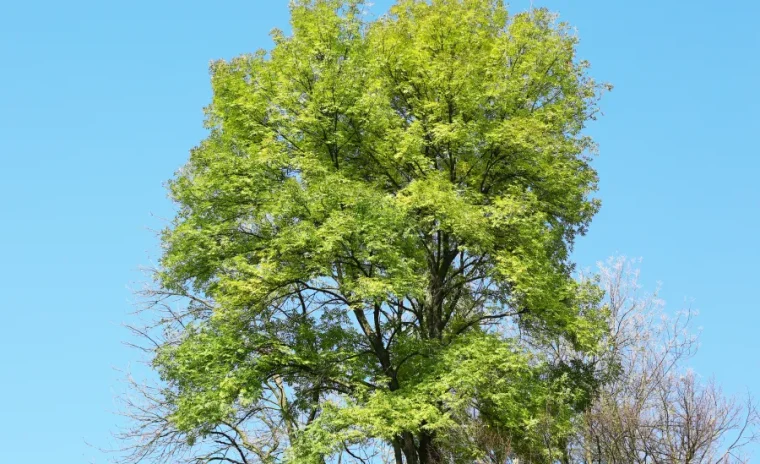
Do you want to add vibrant, blooming trees to your garden for a captivating view and calming shade, but do not have enough room for them? The ideal solution is smaller shade trees!
Small shade trees like Bur Oak 4 ft or Common Hackberry 3 ft not only improve the appearance of your property but also give you access to a livelier outdoor space thanks to their shape, bark, foliage, flowers, fruit, and incredible fragrance.
In this article, we will look at the best small shade trees for your landscape, which will improve your outdoor space’s aesthetics and functionality.
Best Small Shade Trees for Small Yards
Trees come in all shapes and sizes, from enormous oak trees to tiny fruit trees that you can grow on your patio. We have chosen the ideal options that will unquestionably transform your garden into a little piece of heaven on earth.
1. Bur Oak 4 ft
Fundamental Characteristics
- Bur Oak, also known as Quercus macrocarpa (scientific name), is a massive and majestic deciduous tree native to North America.
- A medium-sized, slow-growing tree with dark green acorns and gray-green leaves on the underside.
- Yellow, green, and brown are the hues of the blooms.
- March, April, and May are the blooming months.
- It has a long lifespan, with some living for over 400 years.
- It requires a medium amount of water and full sun exposure to grow.
- It can adapt to various soil types and pH levels, including alkaline, acidic, neutral, salty, and clay soils.
- It withstands subzero temperatures and high humidity during the summer.
Why Should You Choose Bur Oak 4 ft for Your Garden?
- It produces wood and timber. Its tough, sturdy, and decay-resistant wood makes it perfect for various outdoor uses, including fence posts, railroad ties, and landscaping structures.
- The tree is a crucial habitat and food source for animals like birds, squirrels, and deer.
- It is heat-resistant, making it ideal for sunny landscape areas.
2. Chanticleer Pear 3 ft
Fundamental Characteristics
- The Chanticleer Pear, also known by its botanical name Pyrus calleryana, is a deciduous tree that originated in China and has an upright, narrow pyramidal form.
- It prefers well-drained soil and grows well in either full sun or partial shade.
- It is perfect for small gardens or as a street tree because it can reach a height of 35 feet with a spread of 15 to 20 feet.
- It grows in loam, sand, or clay and tolerates acidic or alkaline soil.
- It blooms in April and May, producing clusters of 1-inch white flowers.
- The crown has a branching structure that makes it less likely to break under heavy winter snow.
- Although it prefers moist soil, the tree can tolerate periods of drought.
Why Should You Choose Chanticleer Pear 3 ft for Your Garden?
- The Chanticleer Pear is a well-known ornamental tree with glossy green leaves that turn vivid shades of orange-red in the fall, adding beauty to any garden. In early spring, it also produces white flowers that create a stunning display.
- It produces fruit that attracts birds and helps support wildlife when food sources are limited.
- It requires little maintenance and has excellent adaptability, making it an ideal choice for landscaping your small yard.
3. Common Hackberry 3 ft
Fundamental Characteristics
- The Common Hackberry is also known as the American Hackberry, and its botanical name is Celtis occidentalis.
- This species is native to North America and grows along stream banks, floodplains, and dry slopes.
- It is a deciduous tree with a crown measuring 45 to 50 feet across and a height of 60 to 70 feet.
- The leaves are long and oval with toothed edges and are dull green from spring through summer. In autumn, the foliage turns yellow.
- Summer and autumn are the blooming seasons.
- Due to its rapid growth rate of 1 to 2 feet per year, it quickly begins providing shade.
- Mature hackberry trees prefer full sun, although they can still thrive in partial shade.
Why Should You Choose Common Hackberry 3 ft for Your Garden?
- Hackberries are known for their exceptional appearance. The attractive, warty texture and grayish-brown bark add rustic beauty to the landscape.
- The dense canopy provides welcome shade from the harsh summer sun, creating a comfortable outdoor space to relax and enjoy warm days.
- Due to its resistance to pollution, this native North American tree is an excellent choice for urban landscaping.
- It tolerates a wide variety of light and moisture conditions and is known for its resilience to low temperatures and drought.
- Birds love its fruit, and it provides excellent shelter for wildlife. Many butterflies and moths, including mourning cloaks and question mark butterflies, use it as a host plant for their larvae, helping create a diverse backyard ecosystem.
- Its low maintenance requirements make it an excellent option for anyone who wants to enjoy the benefits of a shade tree without extensive upkeep.
4. Imperial Honey Locust 4 ft
Fundamental Characteristics
- Imperial Honey Locust, also known as Gleditsia triacanthos var. inermis (botanical name), is a medium-sized deciduous tree native to central North America.
- Its fern-like leaves have numerous leaflets that create light, dappled shade. The rounded green leaflets have serrated edges and turn yellow in the fall.
- It prefers full sun but can also thrive in partial shade.
- The blooming season is spring.
Why Should You Choose Imperial Honey Locust 4 ft for Your Garden?
- It has fine-textured green leaves with a rapid growth rate that turn yellow in early fall while providing comfortable, sun-dappled shade.
- In addition to being low maintenance and heat-resistant, it tolerates dry and compacted soils, periods of drought, and excess moisture, making it an excellent choice for homeowners.
Final Thoughts
Consider the trees described above if you want to transform your small garden into a captivating landscape that provides comfort with soothing shade. Whether you choose an Imperial Honey Locust 4 ft or a Common Hackberry 3 ft, each is an excellent option for smaller spaces while still offering the beauty of an ornamental tree. These trees provide shade quickly and can make your outdoor space even more beautiful.